When planning a home improvement project in California, you may hear people use the terms sheetrock and drywall.
At first, it might sound like they are two completely different products, but the truth is they are closely related.
Many homeowners get confused about which one they should choose when updating walls or repairing damage.
The choice often comes down to cost, availability, and the type of project you’re working on.
In California, factors like earthquakes, coastal humidity, and high housing costs also play a role in which material is best.
This guide will break down the pros and cons of both sheetrock and drywall.
By the end, you’ll understand which option works best for your home and budget.
What Is The Difference Between Sheetrock and Drywall?
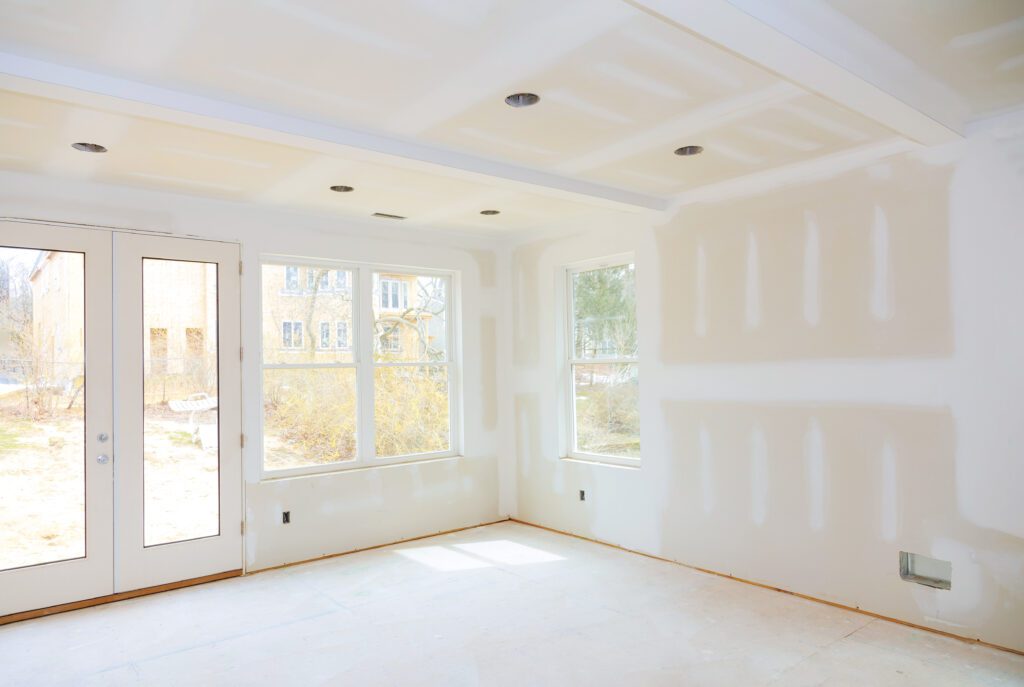
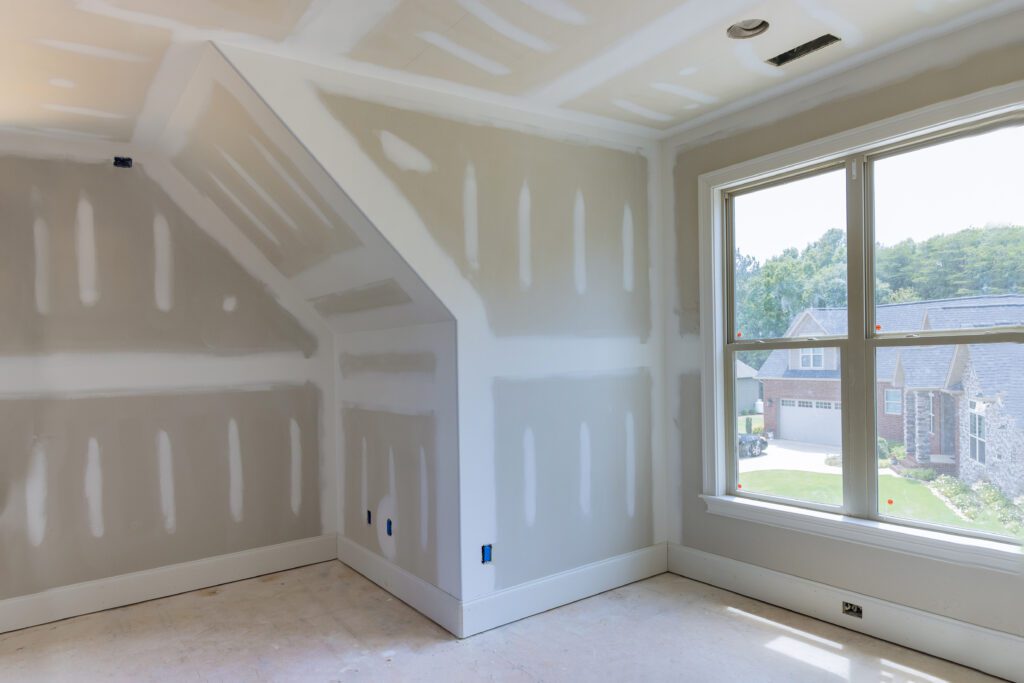
Drywall is a building material made from gypsum pressed between two layers of paper.
It’s one of the most common materials used for walls and ceilings in homes across California.
Sheetrock, on the other hand, is actually a brand name for drywall made by the U.S. Gypsum Company.
While all sheetrock is drywall, not all drywall is sheetrock.
Think of it like how people say “Band-Aid” when they mean adhesive bandage, sheetrock is a specific brand within the larger category.
This small difference in terminology often causes confusion for homeowners.
Contractors may use the words sheetrock and drywall interchangeably, but the brand name does carry a reputation for quality.
Knowing this distinction can help you feel more confident when discussing your project with a professional.
Pros Of Using Sheetrock In California Homes
One of the biggest benefits of sheetrock is its quality and consistency.
Since it’s a trusted brand, sheetrock products are often made with strict quality standards.
This means they are less likely to crumble, chip, or give you issues during installation.
Many contractors in California prefer working with sheetrock because it’s easier to cut, hang, and finish smoothly.
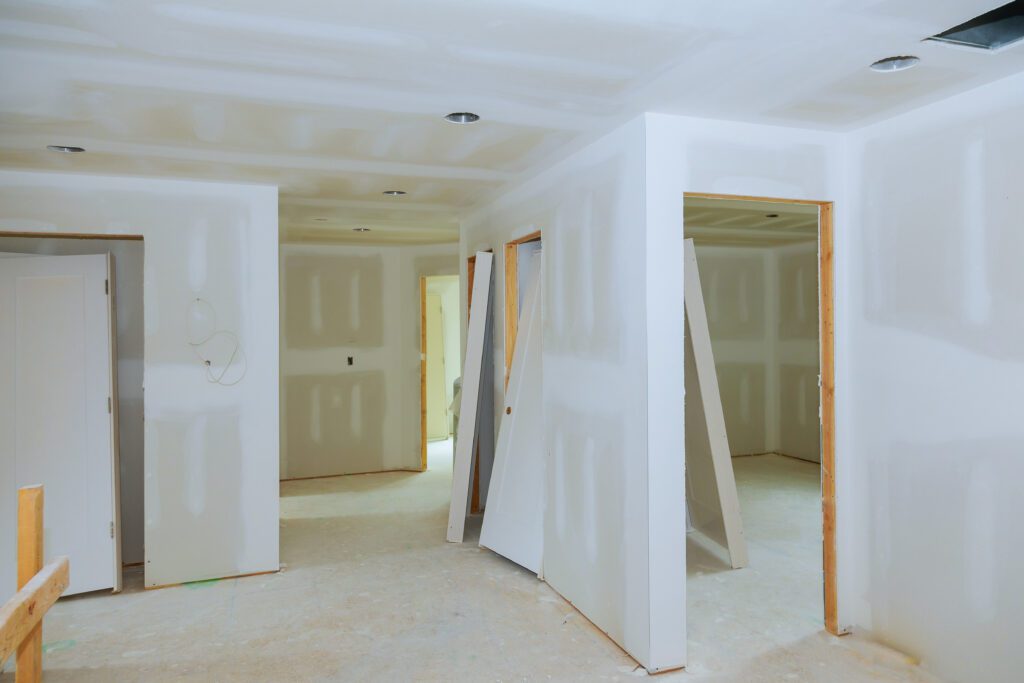
Certain types of sheetrock also come with added features, such as moisture resistance, fire resistance, or soundproofing.
These can be especially helpful for homes in humid coastal areas or noisy city neighborhoods.
Using sheetrock can also save time and money on labor since it typically requires less sanding and touch ups.
For homeowners who want long-lasting walls, sheetrock is often a safe and reliable choice.
Cons Of Sheetrock Compared To Standard Drywall
The main drawback of sheetrock is the higher cost compared to generic drywall.
Since it is a name-brand product, you often pay extra for the label and quality assurance.
For large projects, this price difference can add up quickly.
In California, where construction costs are already high, homeowners sometimes choose standard drywall to stay within budget.
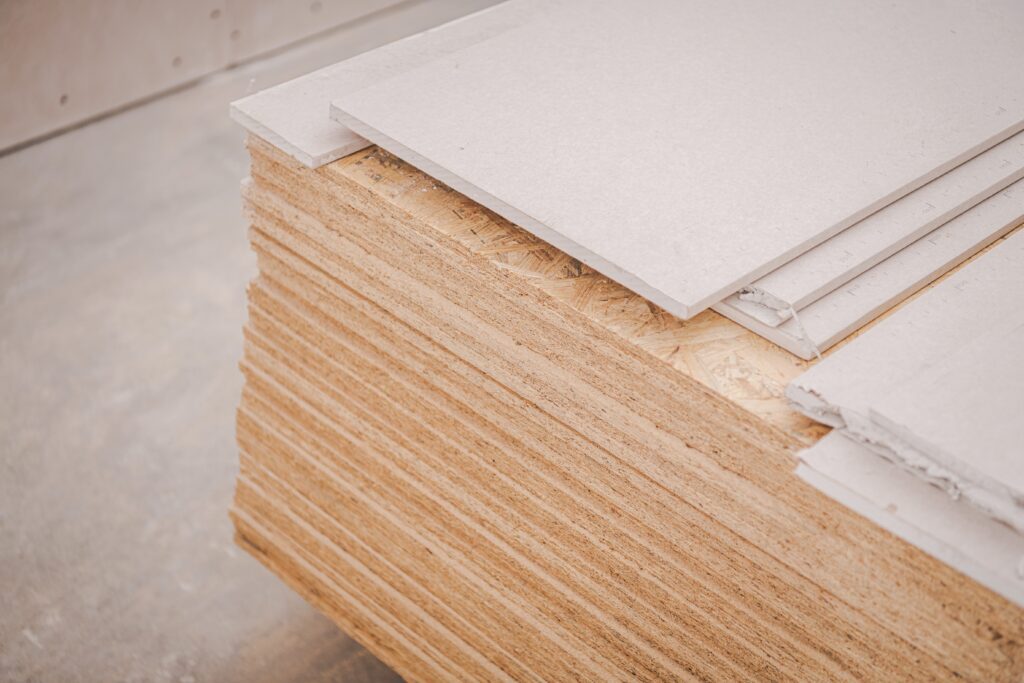
Availability can also be an issue, some smaller hardware stores may not carry sheetrock, which means you might need to order it or visit specialty suppliers.
In rural parts of California, this could delay your project.
Another drawback is that, while sheetrock is durable, it is not completely damage proof.
It can still crack or get holes if it’s hit hard enough, which means repairs may still be necessary.
Advantages Of Standard Drywall For Home Projects
Standard drywall is very popular because it’s affordable and easy to find.
You can purchase it at almost any home improvement or hardware store in California.
For homeowners working on a budget, drywall makes it possible to complete projects without spending too much on materials.
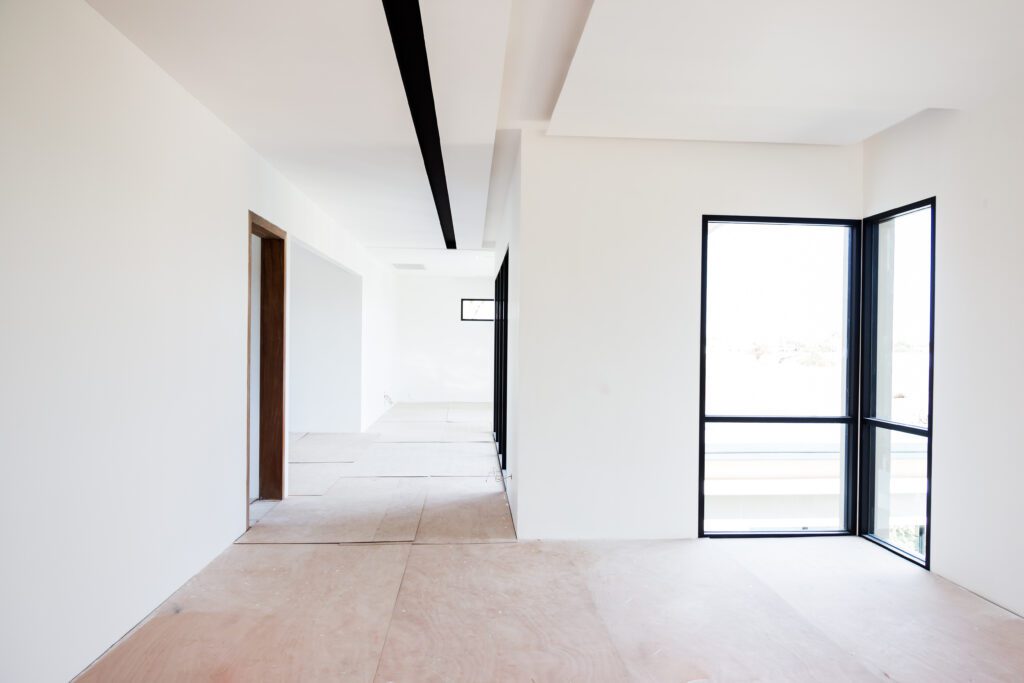
It’s also very versatile, making it a good fit for bedrooms, basements, garages, and living rooms.
Many DIY homeowners like drywall because it’s simple to cut and install with basic tools.
Drywall sheets also come in different sizes and thicknesses, so you can choose what works best for your project.
Because it is so widely available, you won’t have to wait on special orders or worry about supply shortages.
This makes drywall a reliable choice for most home improvement needs.
Drawbacks Of Standard Drywall In California Homes
While drywall is affordable, it doesn’t always have the same level of durability as sheetrock.
It can be more prone to dents, scratches, and cracks over time.
In California, where earthquakes are common, drywall may develop cracks along seams and joints.
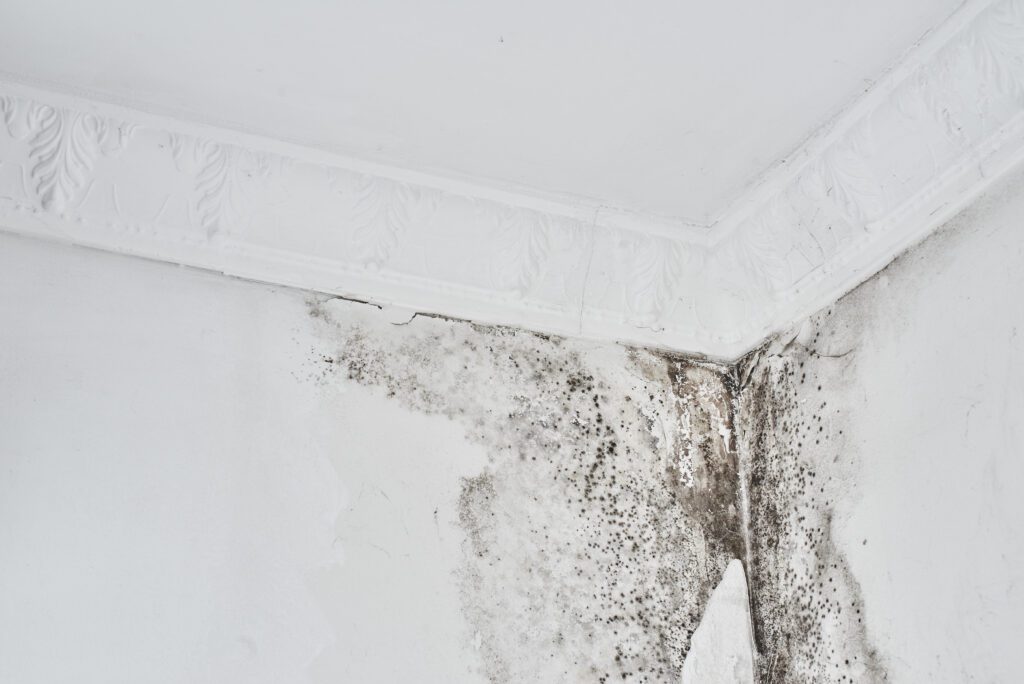
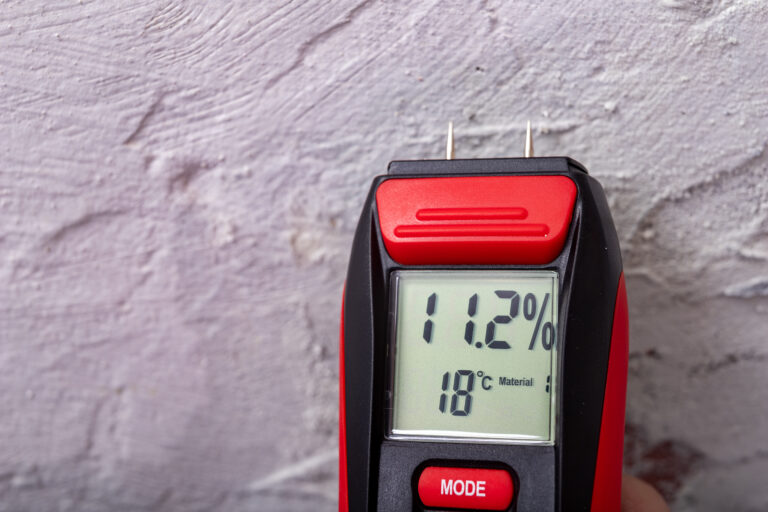
Regular drywall is also vulnerable to water damage.
If your roof leaks or a pipe bursts, drywall can quickly soak up water and become soft or moldy.
Coastal areas with higher humidity can make this problem worse, especially if your home doesn’t have proper ventilation.
While you can buy special moisture-resistant drywall, it often comes at a higher price.
For these reasons, some homeowners choose sheetrock or upgraded drywall products when long-term durability is their priority.
Sheetrock vs Drywall: Which Is Better For California Climate?
California has many different climates, which means your drywall needs may not be the same as someone living in another part of the state.
Homes near the coast deal with more moisture and humidity, so mold- and moisture-resistant drywall or sheetrock is often the best choice.
In drier inland areas, standard drywall may work just fine without issues.
For homes near earthquake zones, contractors often recommend flexible installation methods to reduce cracking, regardless of whether you choose sheetrock or drywall.
In hotter regions like the Central Valley, heat may not affect the drywall directly, but energy efficient wall finishes can help keep your home cooler.
Urban areas may also benefit from soundproof sheetrock, especially in apartments or homes close to busy streets.
Thinking about your specific location can help you choose the right material for your home.
Cost Comparison: Sheetrock vs Drywall
When comparing costs, drywall is usually the cheaper option.
On average, standard drywall costs between $10–$20 per sheet, depending on the size and type.
Sheetrock usually costs more because of its brand reputation and added features.
Installation costs are similar, since professionals use the same methods for both products.

However, some contractors find sheetrock easier to finish smoothly, which can lower labor costs slightly.
If you’re doing a large project, like finishing a basement or building new walls, drywall may save you a significant amount of money.
For smaller projects, the cost difference might not be as noticeable.
The choice often comes down to whether you value affordability or long term quality more.
When To Call A Professional For Drywall or Sheetrock Repair
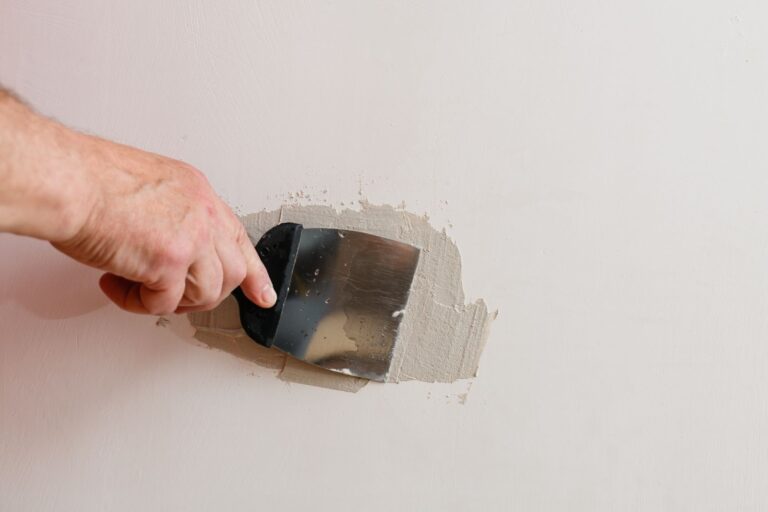
Some drywall repairs, like patching small nail holes, are simple enough to handle as a DIY project.
However, larger cracks, water damage, or sagging drywall are better left to the experts.
A professional drywall contractor in California can make sure the repair is done correctly and blends seamlessly with your existing walls.
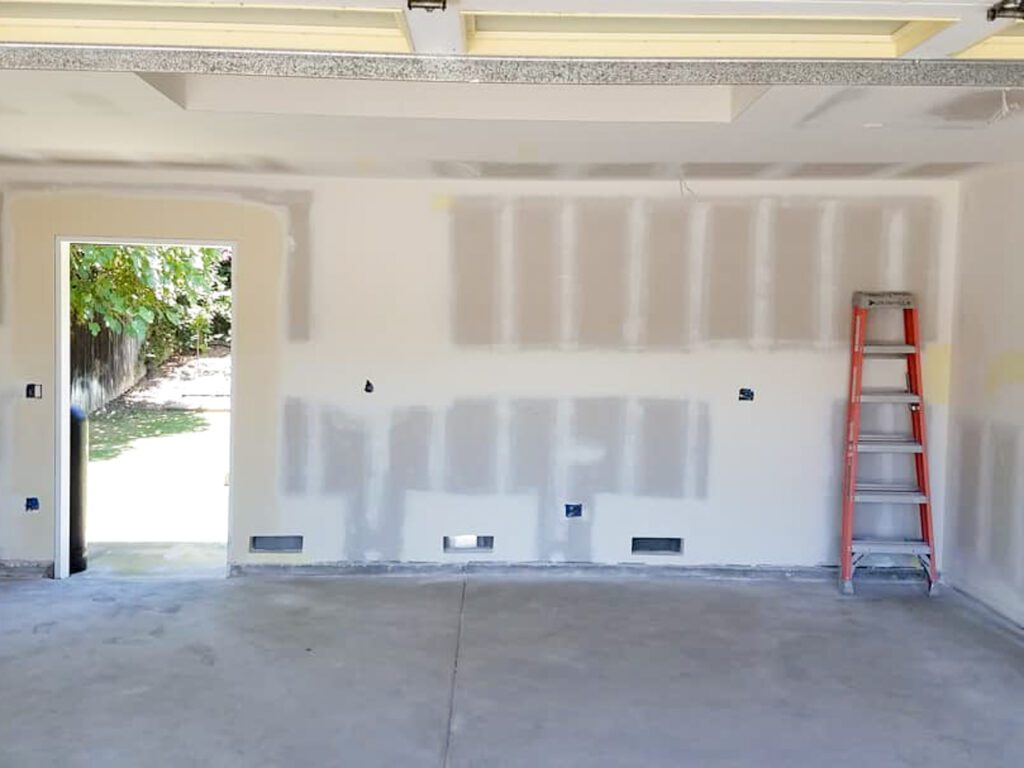
Professionals also have access to the right tools, materials, and safety gear, which can make the job faster and safer.
In earthquake prone areas, hiring a pro also ensures the repair is done in a way that helps reduce future cracking.
If you notice mold, a contractor can replace the damaged drywall and make sure the problem doesn’t spread.
In the long run, professional repairs often save time and prevent bigger issues from developing later.
Final Thoughts On Sheetrock vs Drywall Dor California Homes
So, which one should you choose for your home, sheetrock or drywall?
Both materials are widely used and can work well for California homes.
Sheetrock offers brand quality, special features, and smoother finishes, but comes at a higher price.
Drywall is affordable, widely available, and a great option for homeowners working on a budget.
The right choice depends on your location, budget, and project size.
No matter which one you choose, proper installation and maintenance will help your walls last longer.
By understanding the pros and cons, you can make the best decision for your next home improvement project.