


Understanding Drywall Cracks
Drywall cracks are a common issue in many homes.
They can appear as thin hairline lines or wider gaps that are harder to ignore.
Cracks may be caused by normal settling of a house, changes in humidity, temperature swings, or minor foundation movement.
While small cracks are often just cosmetic, larger ones may signal structural problems.
Addressing cracks promptly helps prevent them from getting worse.
Homeowners who ignore drywall cracks risk more costly repairs in the future.
Understanding when and how to fix these cracks is the first step in keeping walls safe and looking smooth.
Learning how to repair drywall cracks properly ensures a lasting solution.
Common Causes Of Drywall Cracks
Drywall cracks usually happen for several reasons.
One of the main causes is house settling, which can shift walls and ceilings slightly.
Changes in temperature or humidity can make drywall expand and contract, creating stress that leads to cracks.
Water leaks from pipes, roofs, or windows can weaken drywall and cause visible damage.
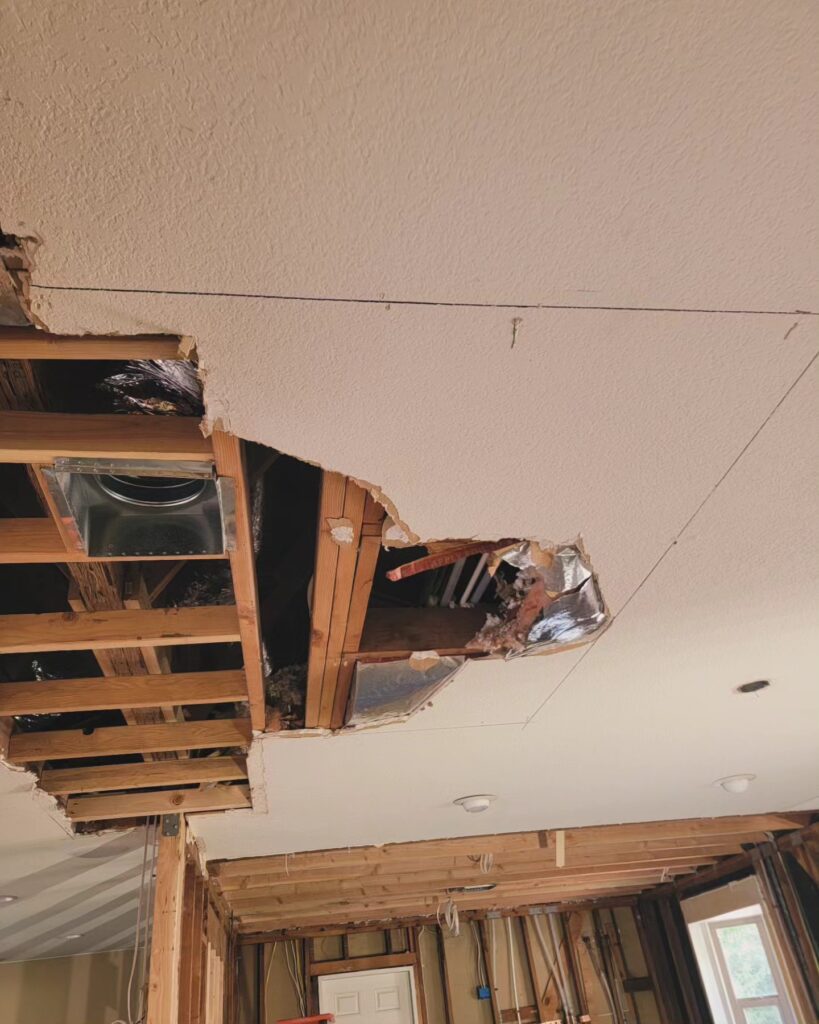
Poor initial installation, such as insufficient screws or improperly taped joints, can also contribute.
Even minor impacts like furniture bumps or accidental hits can leave cracks over time.
Identifying the cause helps determine whether a simple patch or professional repair is needed.
By understanding the root problem, homeowners can take steps to prevent cracks from returning.
DIY Drywall Crack Repair
Small drywall cracks can often be fixed at home with the right approach.
Start by cleaning the area and removing any loose debris around the crack.
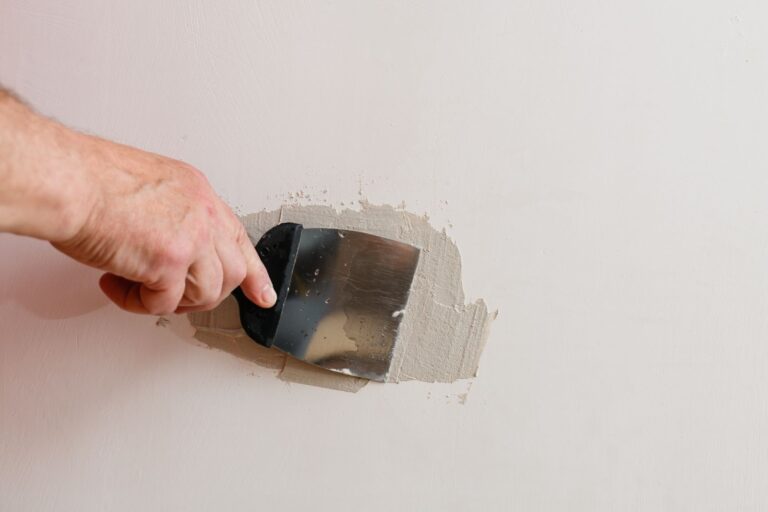
Next, use a putty knife to apply joint compound, filling the crack completely.
For larger cracks, embed drywall tape over the compound to reinforce the repair.
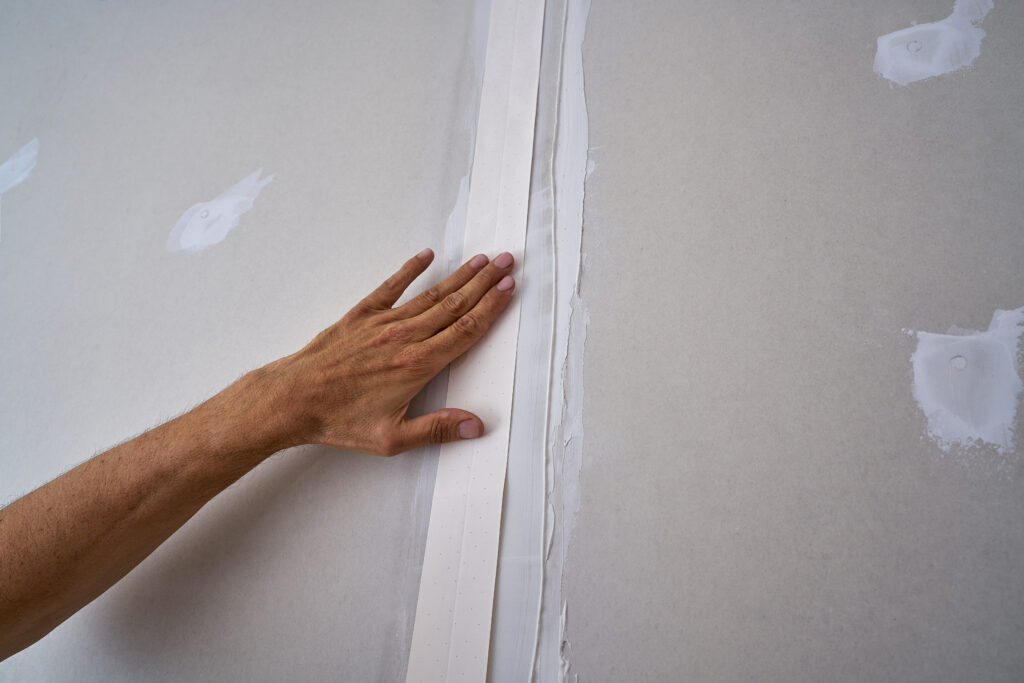
Once the compound dries, sand it smooth so it blends with the surrounding wall.
Apply a second layer if necessary, then sand again for a seamless finish.
Finally, prime and paint the area to match the rest of the wall.
Learning how to repair drywall cracks yourself saves money and helps maintain the home’s appearance.
With careful attention, DIY repairs can look professional.
When To Call A Professional For Drywall Crack Repair
Some cracks are too big or risky to handle alone.
Large, recurring, or widening cracks may indicate structural issues that require expert assessment.
Cracks near load-bearing walls or ceilings are particularly concerning.
Water-damaged or mold-affected drywall should always be handled by professionals for safety reasons.
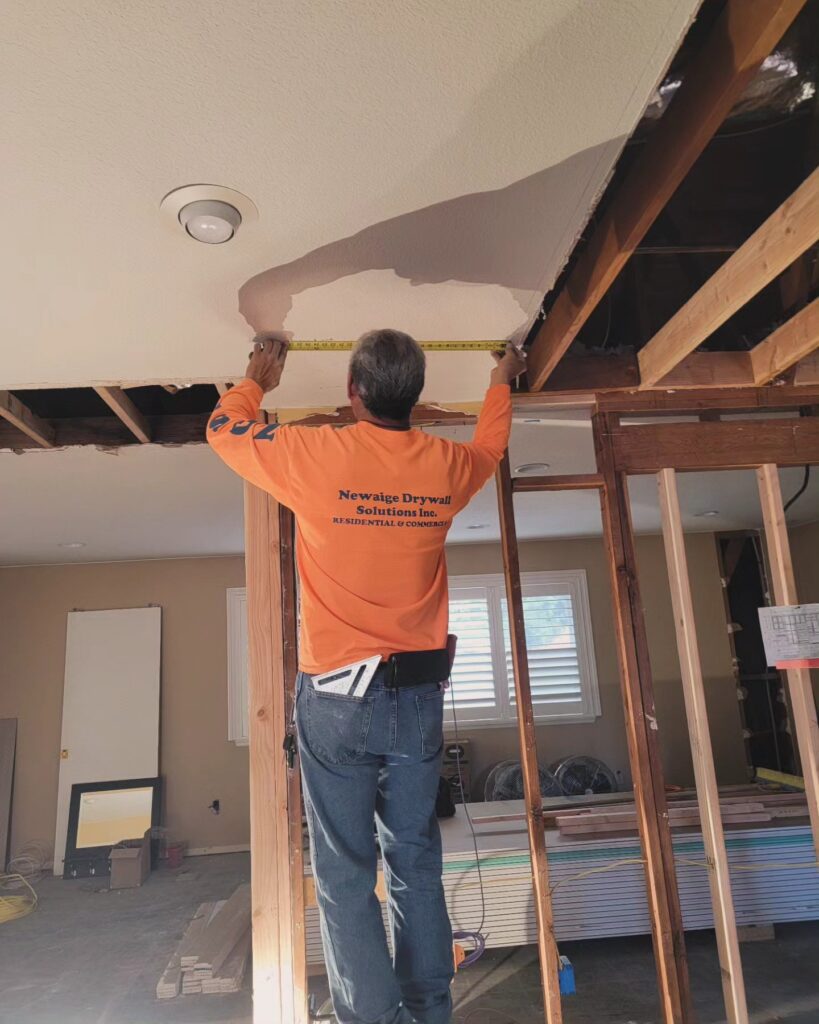
Professional drywall contractors have the tools and experience to repair cracks that are deep, extensive, or complex.
They also identify underlying problems that may not be visible, such as hidden leaks or foundation issues.
Calling a professional ensures repairs last longer and maintain the integrity of your home.
For homeowners unsure about how to repair drywall cracks, a contractor provides peace of mind.
Preventing Future Drywall Cracks
Preventing cracks starts with controlling the environment in your home.
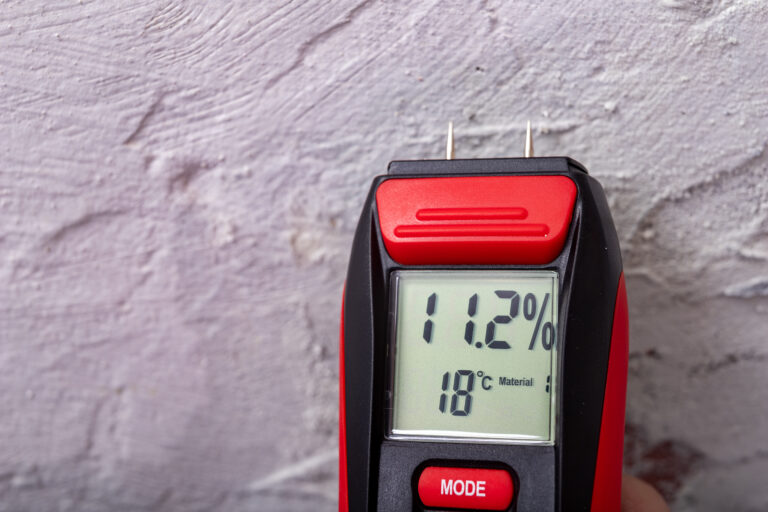
Maintaining consistent humidity and temperature reduces the expansion and contraction that causes stress on walls.
Proper installation of drywall and support for heavy fixtures also minimizes cracking.
Regular inspections can help detect leaks, foundation shifts, or other issues before cracks form.
Avoiding accidental impacts from furniture or doors protects walls from damage.
Using high-quality materials and proper techniques during repairs helps prevent future problems.
By addressing both the causes and the symptoms, homeowners can reduce the likelihood of cracks returning.
Prevention ensures walls remain smooth, safe, and attractive.
Essential Tools And Materials For Drywall Crack Repair
Having the right tools makes drywall crack repair easier and more effective.
Common tools include a putty knife, sanding block, joint compound, and drywall tape.
For larger cracks, you may need a utility knife, drywall saw, and replacement drywall pieces.
Safety gear like gloves, goggles, and a dust mask protects you from debris and dust.
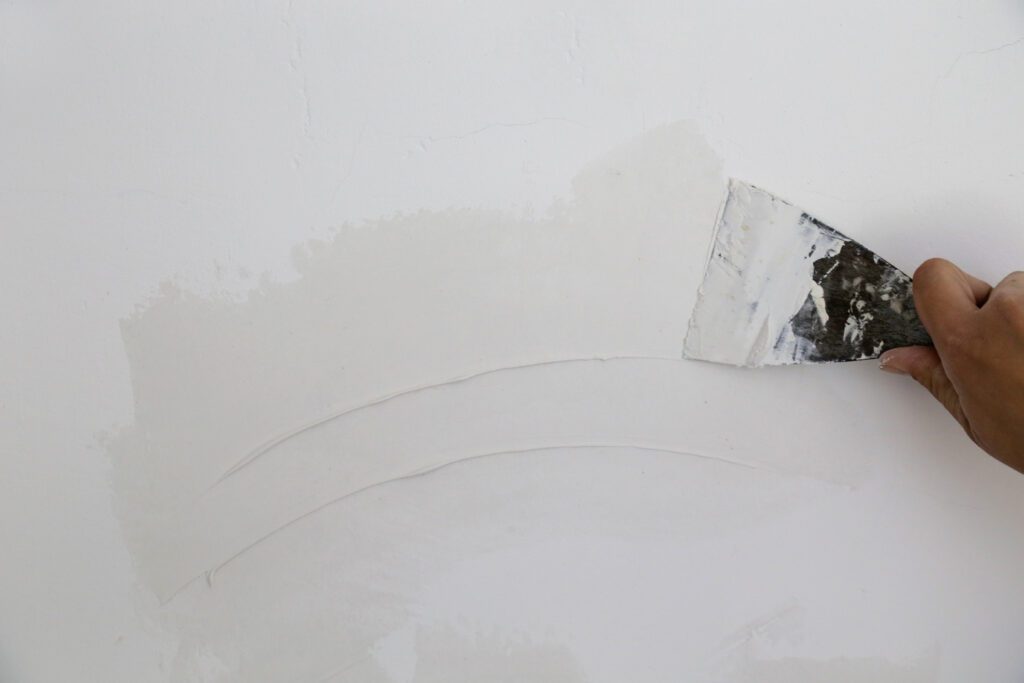
Primer and paint help the repair blend with existing walls for a seamless look.
Investing in quality materials and tools improves the finish and durability of repairs.
Preparing properly before starting makes the repair process smoother and more efficient.
With these tools, even a DIY repair can look professional.
Final Thoughts On Drywall Crack Repair
Drywall cracks are common, but they don’t have to be permanent.
Small cracks can be repaired at home with careful attention and the right materials.
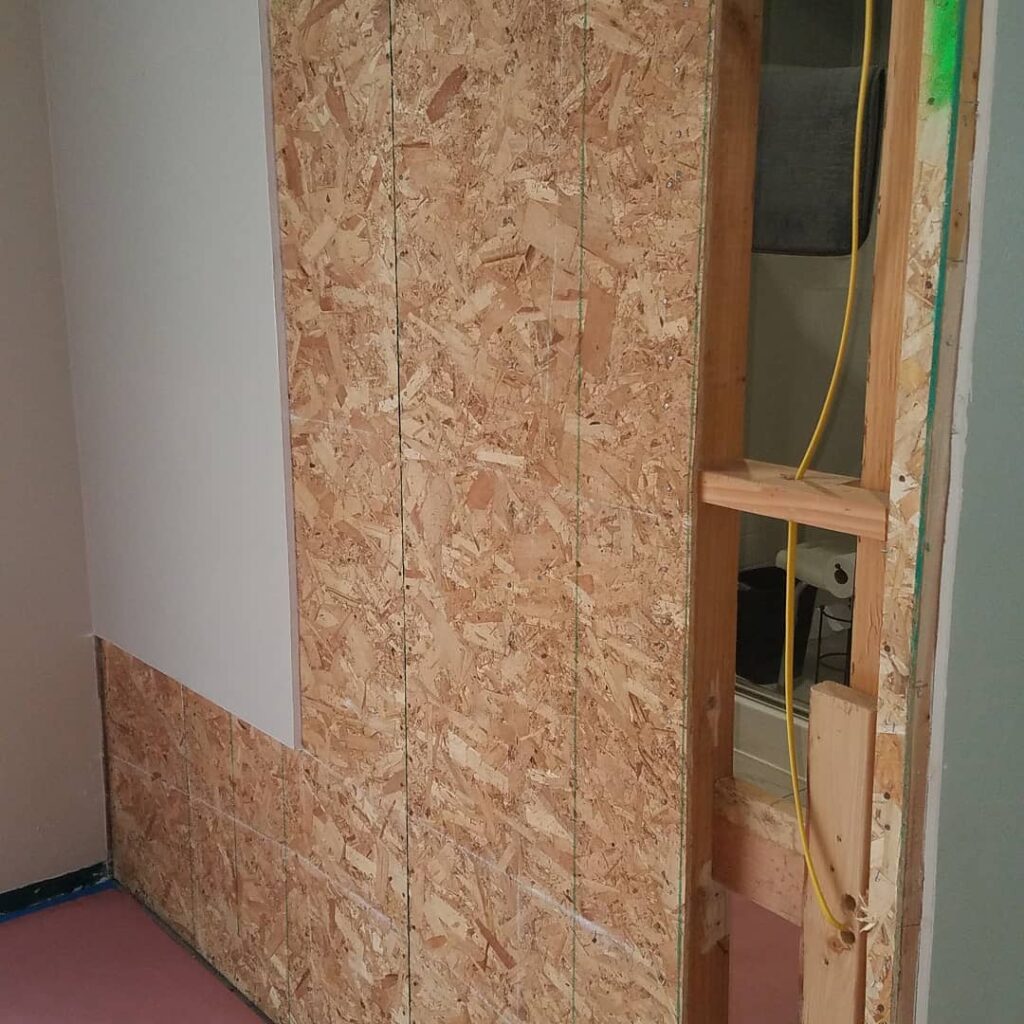
Larger or recurring cracks often require a professional to ensure the repair is safe and long lasting.
Understanding how to repair drywall cracks helps homeowners maintain both the appearance and structural integrity of their walls.
Timely action prevents minor issues from turning into major problems.
Regular maintenance and inspections further reduce the chance of future cracks.
With the right approach, drywall crack repair is manageable and keeps your home looking its best for years to come.
FAQ: Drywall Crack Repair
Can temperature changes cause drywall cracks?
Yes, sudden or extreme changes in temperature can make drywall expand or contract, which may lead to cracks over time. Homes in areas with hot summers and cool winters often see this type of damage. Learn more about professional drywall contractors in California for repairs.
Is it normal for drywall cracks to appear after painting?
Sometimes, yes. Paint can shrink slightly as it dries, especially over older or poorly prepared drywall. Using proper primers and flexible paints can help minimize this issue.
Are ceiling cracks different from wall cracks?
Ceiling cracks often indicate either settling or structural movement. While small hairline cracks are usually cosmetic, wide or jagged ceiling cracks may require professional inspection. Our remediation and restoration team can handle more extensive wall and ceiling issues.
Can drywall cracks affect home resale value?
Visible cracks can make a home look poorly maintained, potentially lowering its perceived value. Fixing cracks properly ensures your walls look smooth and well kept for buyers.
How often should I inspect my walls for drywall cracks?
It’s a good idea to check walls and ceilings at least twice a year, especially after seasonal changes or earthquakes. Early detection allows small cracks to be repaired before they worsen.
Can drywall cracks indicate plumbing issues?
Yes, cracks near water lines, sinks, or bathrooms could be a sign of leaks behind the walls. Addressing both the crack and the water issue is essential to prevent recurring damage.